


Meet Innovations,
Rediscover Your Style!





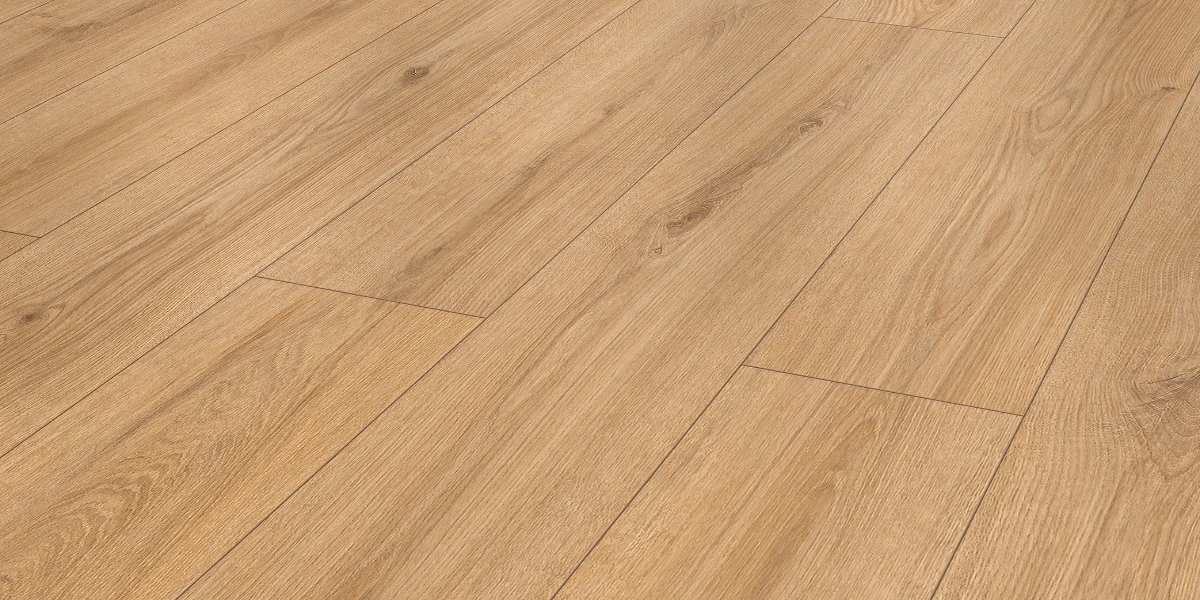
Winter Maintenance Guide: How to Prevent Parquet Cracking and Swelling? (The Right Humidity Level)
The combi boilers and air conditioners you use to heat your home in the cold winter months unknowingly pose a serious threat to your parquet floors. Wood's natural reaction to moisture can lead to common winter damage such as cracking, gapping, and swelling. In this comprehensive guide, we (Acarkon) offer practical solutions for maintaining critical humidity balance without buying a hygrometer, ensuring your parquet stays healthy throughout the winter.
1. The Root Cause of Winter Parquet Damage: Humidity Fluctuation
Wood, as a living material, constantly absorbs or releases moisture from the environment. In winter, this leads to two main problems:
A. Dry Air and Parquet Cracking (Gapping)
Overheating indoor spaces in winter rapidly lowers the room's humidity. The wood loses its moisture in the dry air, contracts, and this causes visible cracks and gaps to form between the parquet planks. Critical Information: The ideal indoor humidity level for solid and engineered parquet should be between 40% and 60%. Below this level, the risk of cracking due to dryness increases.
B. Excessive Humidity and Parquet Swelling (Cupping)
Plumbing leaks, water infiltration from window edges, or moisture buildup in poorly ventilated basements cause the wood to absorb excessive water. The parquet swells, pressure builds up between planks, leading to swelling that is often irreversible.
2. 3 Practical Ways to Protect Your Parquet Without a Hygrometer
You don't need a chemical or electronic measuring device at home. Here are practical steps that enhance your home comfort and protect your parquet:
Control with Humidifiers that Measure Room Humidity
Why is this Important? Many modern air humidifier devices on the market come with a built-in humidity sensor (hygrometer). These devices automatically turn on when the room humidity drops below 40% and raise it to the ideal level. Practical Tip: Place the device in the warmest room where moisture drops fastest (generally the living room or salon). Setting the humidity level to 50% is an ideal solution for both your comfort and your parquet's health.
Avoid Sudden Heat and Humidity Shock
Consistent, Stable Heating: The most damaging thing for parquet is turning the heat up suddenly in the evening and off suddenly in the morning. Keeping the boiler at a low and stable setting throughout the day prevents the wood from constantly contracting and swelling. Brief Ventilation: Even in cold weather, perform cross-ventilation twice a day for a short period (5–10 minutes). This refreshes the air, helps replace overly dry air, and allows the humidity to rise slightly.
Maximum Caution with Water and Wetness
Mat Management: Immediately remove wet shoes or door mats that bring snow or rain into the house during winter. Always keep a dry cloth handy to wipe away condensation and moisture accumulating near windows. Proper Cleaning: When cleaning parquet in winter, always use a damp cloth (not wet!) and ensure you do not leave standing water. Water seepage can penetrate laminate parquet joints and cause swelling. Opt for pH-neutral parquet cleaners.
Acarkon Solutions for Extending Your Parquet's Lifespan
The key to keeping your parquet healthy and aesthetic throughout the winter is to maintain the indoor humidity level consistently between 40% and 60%. Room humidifiers with built-in sensors are the most practical and effective way to achieve this balance. If you are experiencing issues like cracking, swelling, or color fading in your parquet, Acarkon's range of special parquet care and repair solutions can help you maintain durable floors in every season. Contact our experts now and learn the right maintenance your parquet needs!
Frequently Asked Questions (FAQ)
Why Does Parquet Crack and Gaps Form in Winter?
When indoor air is heated in winter, the air dries out, the wood loses moisture, contracts, and this causes cracks and gaps to form between the parquet planks.
What is the Most Common Cause of Parquet Swelling?
Parquet swelling generally results from exposure to excessive moisture (water leakage, high-humidity environment); the wood absorbs water, swells, and creates bulges on the surface.
What Should Be the Ideal Room Humidity Level for Parquet Floors?
The ideal indoor humidity level for wood parquet floors to remain healthy and prevent deformation should be between 40% and 60%.
How Can I Measure or Control Home Humidity Without a Hygrometer?
Instead of a hygrometer, you can practically monitor and maintain your home's humidity level by using modern room humidifiers with built-in humidity sensors.
What Should I Pay Attention to When Cleaning Parquet in Winter?
When cleaning parquet in winter, you must use a well-wrung, damp cloth and avoid leaving water puddles on the surface; you should also prefer pH-neutral, specialized parquet cleaners.
Do Parquet Cracks Fix Themselves?
Yes, small parquet cracks caused by excessive dryness often close up on their own as the wood expands due to the rising humidity level in spring and summer.
Does Laminate Parquet Swell in Winter, and How Can It Be Prevented?
Yes, laminate parquet can swell in winter due to excessive moisture or water contact; to prevent this, you should avoid standing water and frequently ventilate humid areas.
