


Meet Innovations,
Rediscover Your Style!





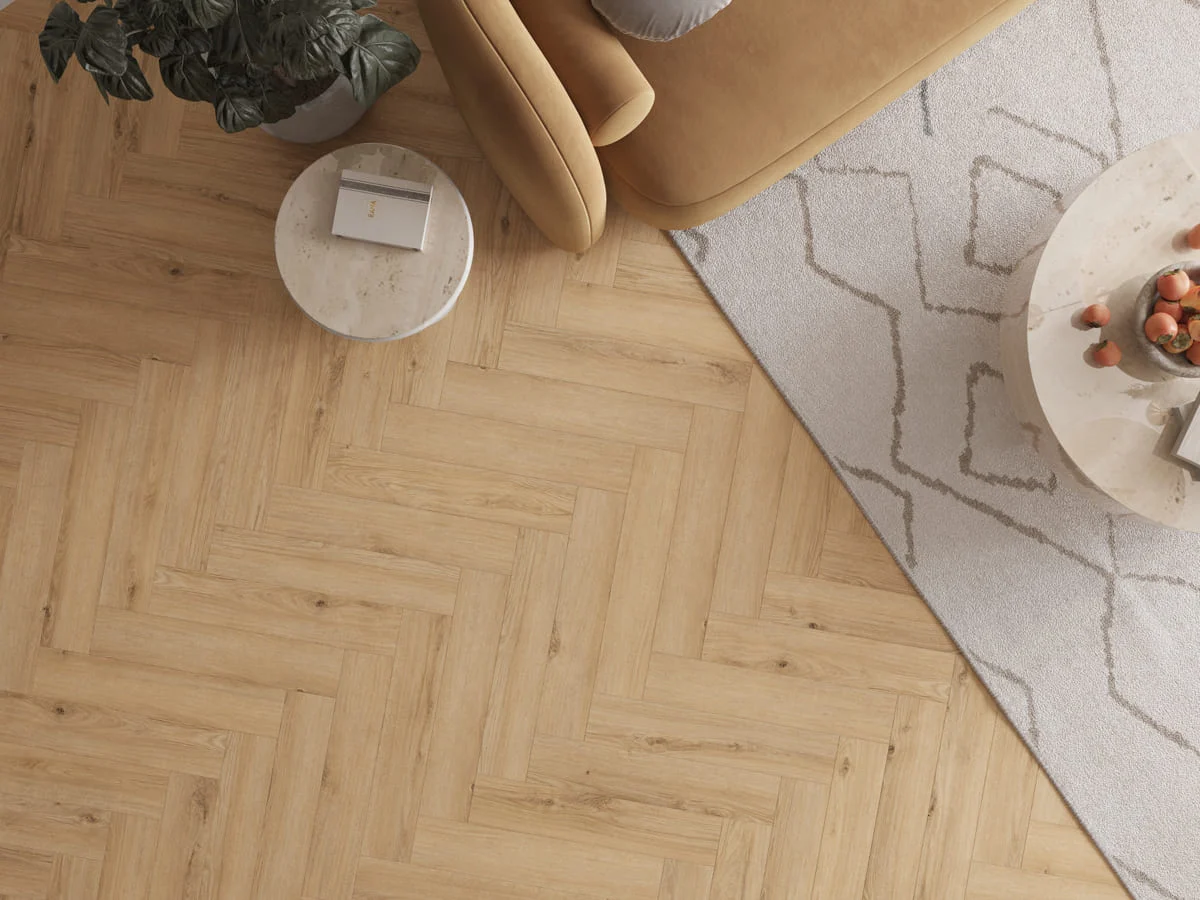
Flooring Colors and Installation Techniques to Make Small Rooms Look Larger
In the world of interior design, one of the most persistent challenges is transforming a cramped, narrow space into an airy, welcoming sanctuary. Since the floor is the largest uninterrupted surface in any room, choosing the right flooring material and application method can fundamentally shift the perception of the entire space. At Acarkon, we have curated a comprehensive guide on professional flooring solutions and the intricate art of installation to help you make your small spaces feel significantly more expansive and luxurious.
1. The Psychology of Color: Best Flooring Shades for Small Spaces
The impact of color on psychological and visual perception cannot be overstated. While an incorrect color choice in a small room can feel suffocating, the right tones can "push back" the walls and create a sense of boundless freedom.
- Light Oak and Whitened Tones: This color family is the champion of light reflection. By bouncing both natural and artificial light, these tones blend seamlessly with the ceiling and walls, blurring the boundaries of the room and creating an infinite feel.
- Cool Grays and Light Anthracite: Gray tones offer a sophisticated, modern vibe. Specifically, cool-undertone grays add a sense of receding depth to the floor, making the ground appear further away than it actually is.
- Natural Cream and Beige: These are timeless classics that preserve the organic warmth of wood while keeping the atmosphere bright and lively. They provide a neutral canvas that complements almost any furniture style.
- Low-Contrast Patterns: In confined areas, complex and heavy-grained patterns can create visual "noise." Opting for simpler, subtle transitions and clean-grained models ensures a serene, tranquil, and less cluttered appearance.
2. Strategic Installation Techniques to Expand Your Horizons
Once the color is selected, the direction and method of installation become the most critical visual "hacks" to trick the eye.
- Installation Parallel to the Light Source: Laying floor planks parallel to the primary light source (such as a large window) minimizes the visibility of joints. This creates a smooth, continuous look that draws the eye forward toward the light, extending the perceived length of the room.
- Longitudinal Placement: If a room is narrow, installing the planks parallel to the longest wall can make the space appear like a grand corridor rather than a tight box.
- Diagonal (Variant) Installation: Installing planks at a 45-degree angle to the walls is a professional secret. It encourages the eye to scan the room from corner to corner, highlighting the longest possible dimension of the space and maximizing the perception of width.
- Wide Plank Utilization: Contrary to popular belief, small planks make a small room look busier due to the high number of joint lines. Using wider and longer planks results in fewer interruptions, creating a more unified and expansive floor surface.
3. Sophisticated Flooring Patterns and Aesthetic Models
You are not limited to standard straight layouts. The art of flooring offers various patterns that can add immense character without overwhelming the space:
- Herringbone: A timeless classic that offers unparalleled elegance. By joining planks at a 90-degree angle, it creates a rhythmic flow that pairs beautifully with modern minimalism.
- Chevron (Hungarian Cut): Often confused with herringbone, Chevron planks are cut at an angle to form a perfect "V" shape. This creates a sharper, more directional line that is a hallmark of high-end, luxury European interiors.
- Marquetry (Inlay) Flooring: Marquetry is a specialized technique where different wood grains and colors are combined to create intricate geometric motifs. In small rooms, instead of covering the entire floor, using marquetry as a central "rug" pattern creates a stunning focal point.
- Ship’s Deck (Linear Layout): This is the most versatile and natural-looking technique. It mimics the clean, staggered lines of a luxury vessel, providing a sense of order and modern simplicity.
4. Technical Excellence: The Crucial Role of Underlayment and Insulation
In a small room, comfort is defined by more than just aesthetics; acoustics and thermal balance play a vital role. Underlayment (often called "şilte" in technical terms) is the unsung hero of the installation process.
- Acoustic Insulation: High-quality underlayment absorbs impact sounds—such as footsteps—and prevents echoes, which is essential in smaller rooms where sound can bounce easily.
- Surface Leveling: It smooths out minor imperfections in the subfloor, ensuring that the flooring's click-lock system remains stable and protected from damage over time.
- Thermal Regulation: Underlayment acts as a barrier against the cold from the subfloor, significantly contributing to energy efficiency and a warmer foot-feel.
Frequently Asked Questions (FAQ)
Can dark-colored flooring ever be used in a small room?
Yes, it can, but it requires a careful balance. If you choose dark floors, the walls and ceiling must be exceptionally light or white. This "weighty" floor contrasted with airy walls can create a dramatic, high-contrast look without making the room feel like a "box."
What is the primary purpose of floor underlayment?
Underlayment serves as a moisture barrier, sound dampener, and a cushion that reduces friction between the flooring and the concrete subfloor, greatly enhancing overall comfort and durability.
Is Herringbone installation more difficult than standard layouts?
Yes, it requires significantly more labor, precision measurements, and a higher percentage of material waste (wastage). However, the luxury aesthetic and the value it adds to the property make it a worthwhile investment.
Can High-Gloss (Hayglass) furniture be used with these floors in small rooms?
Absolutely. High-gloss surfaces act like mirrors, reflecting light across the room. When paired with the right flooring, they create a synergy that makes the entire space feel much brighter and more open.
